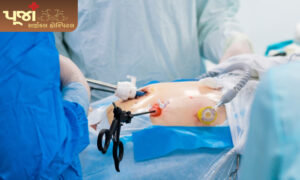
Ageing has its advantages and disadvantages. Included in the latter are piles, clinically known as haemorrhoids, which is a condition when veins in your rectum or under the skin around the anus swell. These swollen blood vessels can turn bowel movement into an intensely painful experience. Haemorrhoids are usually caused by increased pressure due to pregnancy, being overweight, or straining during bowel movements. By midlife, haemorrhoids often become an ongoing complaint. By age 50, about half the population has experienced one or more of the classic symptoms, which include rectal pain, itching, bleeding, and possibly prolapse.
Even though piles are rarely dangerous, if left ignored, it can lead to serious health complications. In this blog, let’s get a clear picture of the different problems Piles can cause and why it isn’t safe to leave it untreated.

Anemia
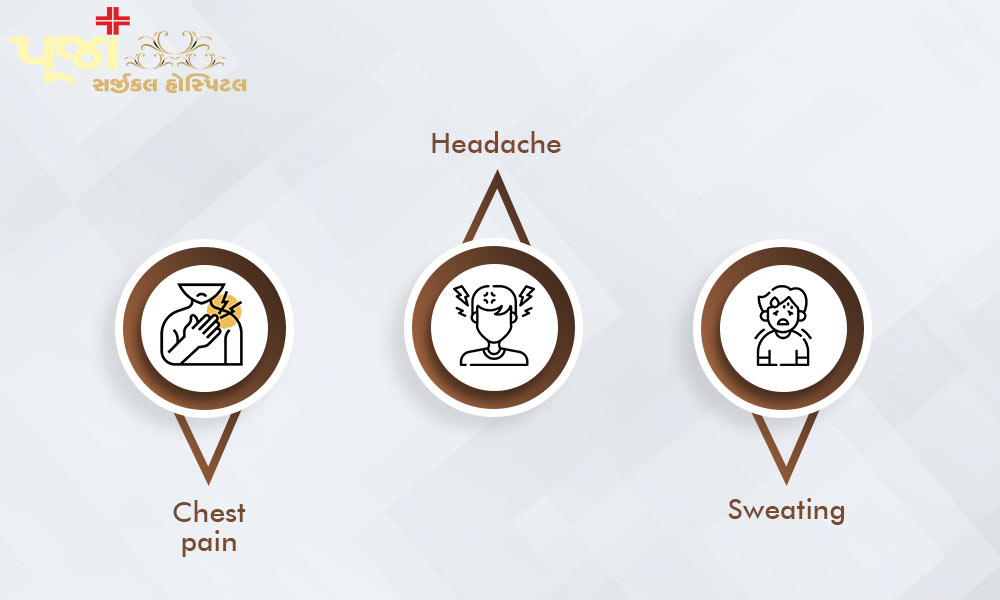
If haemorrhoids bleed too much, they can deprive your red blood cells of oxygen. This can cause fatigue, shortness of breath, headaches, and dizziness as the blood supply carries less oxygen around your body. Anaemia is a condition in which you lack enough healthy red blood cells to carry adequate oxygen to your body’s tissues. Having anaemia can make you feel tired and weak.
There are many forms of anaemia, each with its own cause. Anaemia can be temporary or long term, and it can range from mild to severe. See your doctor if you suspect that you have anaemia. It can be a warning sign of a serious illness.
Rectal prolapse
Rectal prolapse is when part of your rectum slides out through your anus (the opening in your bottom), forming a lump. You may only get the rectal prolapse when you’re having a bowel movement at first, but eventually, it might be there all the time.
Having a rectal prolapse can be uncomfortable and interfere with your daily life. You may feel embarrassed about it, but it’s important to see your doctor if you think you may have one. If you have a rectal prolapse, your rectum (back passage) isn’t kept in place inside your body as it usually is.
Infection
Bacteria can get into haemorrhoids that are bleeding and infect the tissue. Untreated infections can sometimes cause serious complications, such as tissue death, abscesses, and fever.
Thrombosed haemorrhoids
Thrombosed piles occur when a blood clot forms inside a haemorrhoid. This condition isn’t dangerous, but it can be painful. Both external and internal haemorrhoids can become thrombosed haemorrhoids. This means that a blood clot forms inside the vein. Thrombosed haemorrhoids aren’t dangerous, but they can cause severe pain and inflammation. If it becomes too full of blood, a haemorrhoid can burst.
Strangulation
Arteries feeding fresh blood to the haemorrhoid can become blocked, preventing blood supply from reaching the haemorrhoid. This can cause extremely intense and unbearable pain.
An anal examination is neither the most comfortable or pleasant experience for the person concerned, but is generally quick and painless, causing only slight discomfort. It can also help a doctor to make an accurate diagnosis and swiftly resolve any pain being experienced. To learn more about how to overcome piles & to know more about our services, visit us at https://www.poojasurgicalhospital.com/