Undergoing discomfort in and around the anal cavity during bowel movements or while sitting is not a good sign. It could be a sign that you’re suffering from a condition called piles.
According to research, in India, piles affect over 10 million people per year, and 1 in 10 pregnant women suffers from hemorrhoids. Many find it embarrassing to talk with their physicians, but with the right steps, you can ease the discomfort and avoid a recurrence.
What are hemorrhoids?
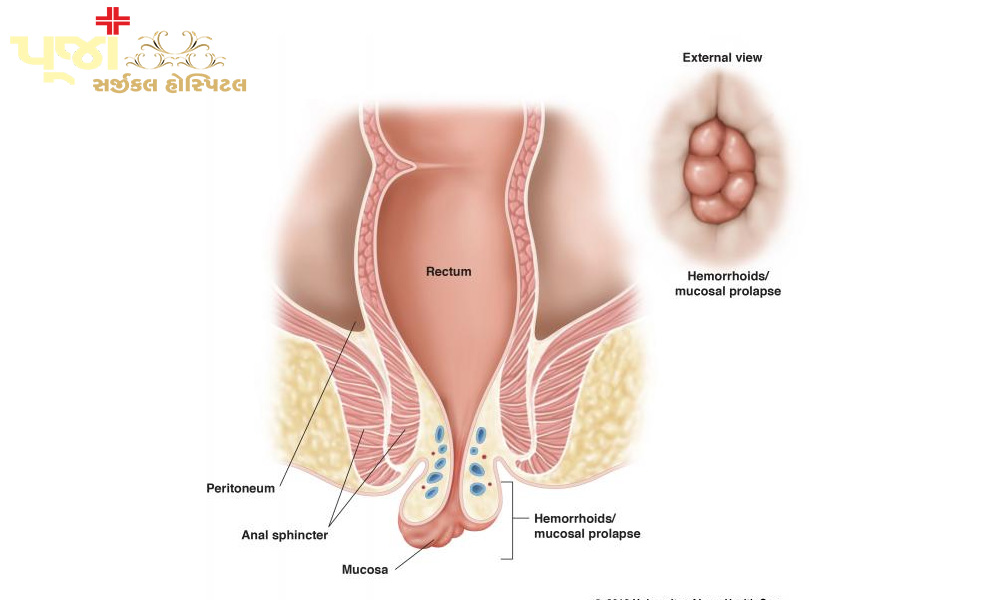
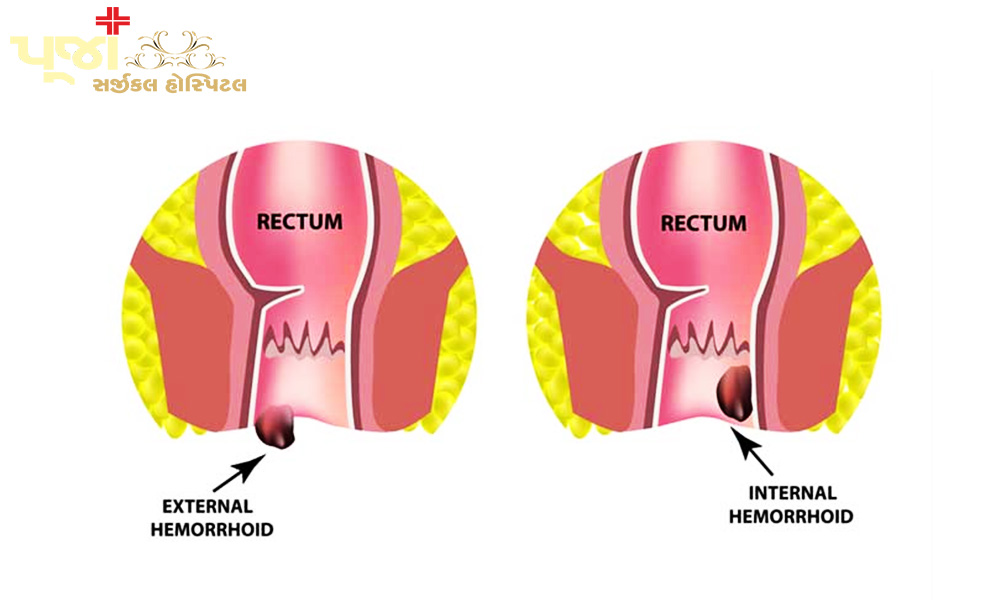
Hemorrhoids are also known as piles. It occurs when clusters of veins in your rectum or anus get enlarged. Meanwhile, these veins dilate blood pools and grow outside into the membranes around your rectal and anal tissue, which can cause be annoying or painful.
Remember, Hemorrhoids aren’t always noticeable, but when they swell, they can look like red or discoloured lumps.
Types of hemorrhoids
There are four types of hemorrhoids:
- Internal
- External
- Prolapsed
- Thrombosed
What are the Hemorrhoids Symptoms?
Some of the most common Hemorrhoids Symptoms are:
- Uncomfortable bowel movements
- Painful lumps or inflammation near the anus
- Mucous discharge while excreting
- Bleeding after bowel movements
- Soreness and itching around the affected area
- Pain or discomfort while sitting
- Redness around the anus
When piles happen, the patient may endure anaemia-like symptoms such as weakness and pale skin due to loss of blood.
How can we treat piles?
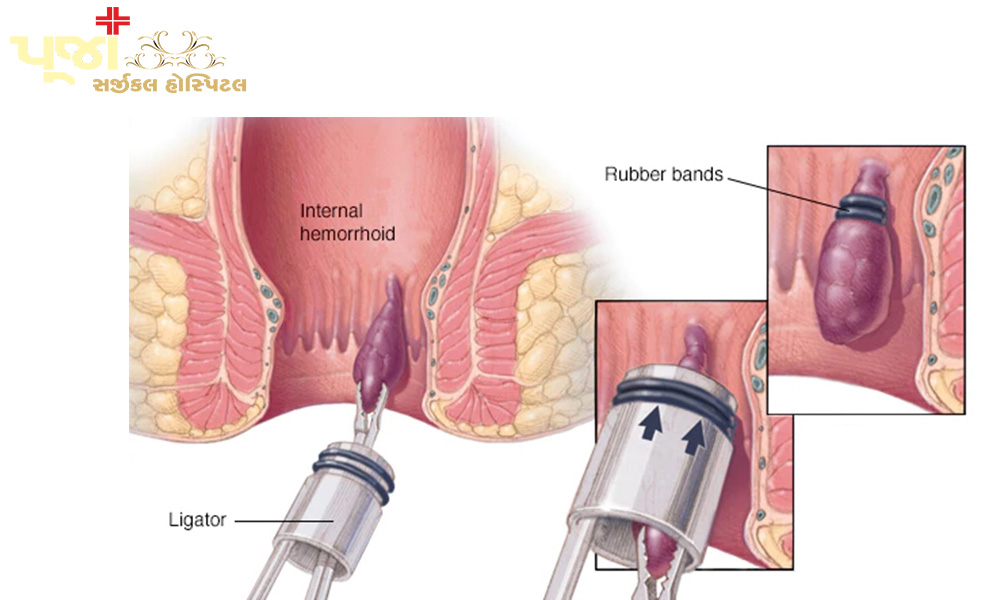
Without having a proper treatment or medication piles don’t go away permanently. However, it is essential to visit a doctor before starting any form of therapy.
Following are the different treatments used to reduce the discomfort and pain caused by piles:
1. Herbal Treatment
Many people prefer to treat piles naturally. Herbal therapies incorporate products and medicines that are made of natural ingredients which help in treating piles. Piles doctor may recommend herbal products for post-operative treatment as well. These products can be in the form of tablets or ointments.
Tablets
Tablets include various natural ingredients like:
It aids in reducing itching, improving digestion, and providing relief from flatulence.
Sudha Fitkari and Gritkumari are used to softening the stool and preventing constipation.
Ingredients like Kattha, Kariya, Aritha, and many more are also used while treating piles.
Doctors recommend taking these tablets twice a day, one in the morning and the other at night at least for 30 days or as instructed by the physician.
Ointment
The ointment is a herbal remedy that has to be implemented directly on the affected area. It has pain-relieving, anti-inflammatory, and antibacterial properties. This ointment also includes Kasisadi oil that has Kshar characteristics for cutting and treating piles.
For best results, it is suggested that you use Tablets and Ointment together.
2. Surgery
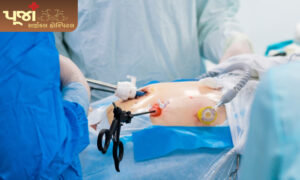
Severe piles cases need surgery which is the last resort for removing hemorrhoids. When no other form of treatment works, surgery is usually considered so that piles won’t start affecting your lifestyle. External or prolapsed hemorrhoids that get contaminated may also require surgery.
Following are the indications for hemorrhoids surgery:
- Extreme bleeding that may lead to anaemia
- Severe pain
- Strangulated hemorrhoids (an internal mass that has prolapsed and become trapped by the anal muscles)
- Prolapsed hemorrhoids (internal hemorrhoids that bulge out of the rectum) that can’t be operated non-invasively
- Symptoms of gangrene owing to the lack of blood supply to the tissue
Remember, only with the right treatment, piles can go away permanently. Dietary and lifestyle alterations can only help you avoid a recurrence and lead a comfortable life. Meanwhile, you can use at-home tablets and ointments to reduce the discomfort.
If you want to have the right treatment with expert advice and medications, then consult Pooja Surgical Hospital.