Haemorrhoids are a common problem. By age 50, one out of every two adults is affected by the embarrassing condition. Though symptoms vary — itching, tenderness, or rectal bleeding — they can be unpleasant and, at times, alarming.
If you’ve had to deal with haemorrhoids, take comfort in knowing there are some things you can do after treatment to keep them away. Since one of the common causes of haemorrhoids is constipation, a good place to focus your efforts is on the foods you plan to eat. Here are ones you’ll want to eat more often if you want to keep haemorrhoids from making a return visit.
Nuts (Show an image of walnuts and almonds)
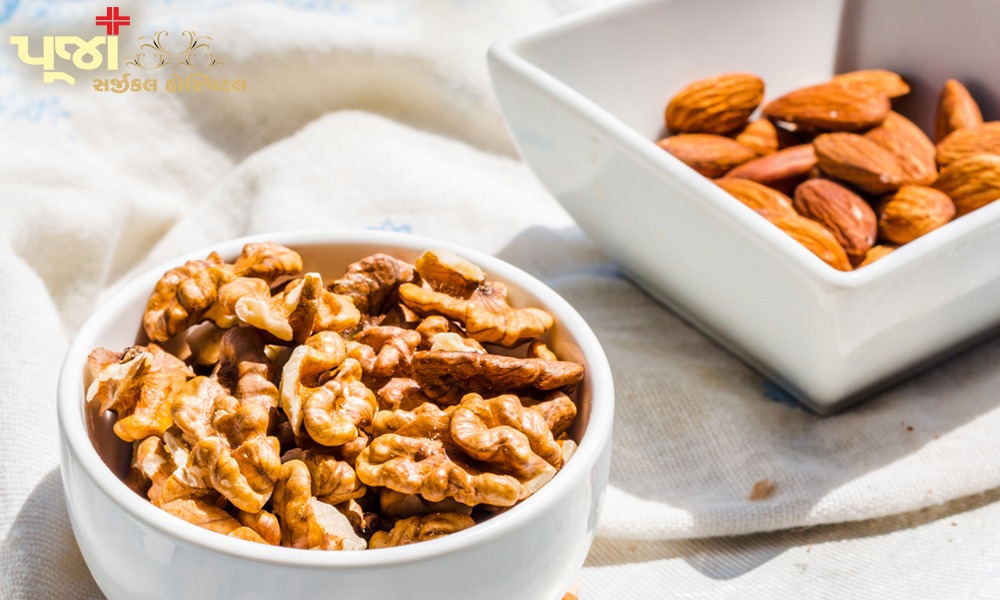
Walnuts and almonds, in particular, are especially high in fibre. Plus, nuts have strong anti-inflammatory properties, which could minimize issues with tissue swelling in the area(s) where you had previous problems with haemorrhoids. Pistachios, hazelnuts, peanuts, pecans, and macadamias also have high fibre contents per one-ounce serving.
Whole grains
A high fibre diet rich in fruits, vegetables, whole grains (or fibre supplements) can prevent constipation and thus also haemorrhoids to develop. The fibre will help keep the bowel movements regular and the fluid will keep them softer so they are easier to pass without straining.
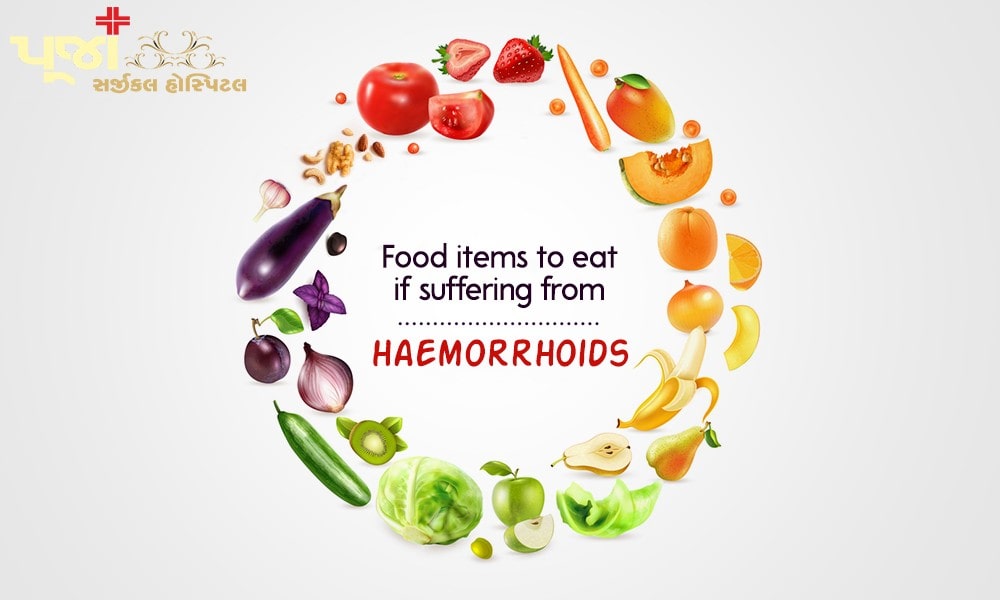
Fruits & vegetables (Show an image of various fruits and vegetables)
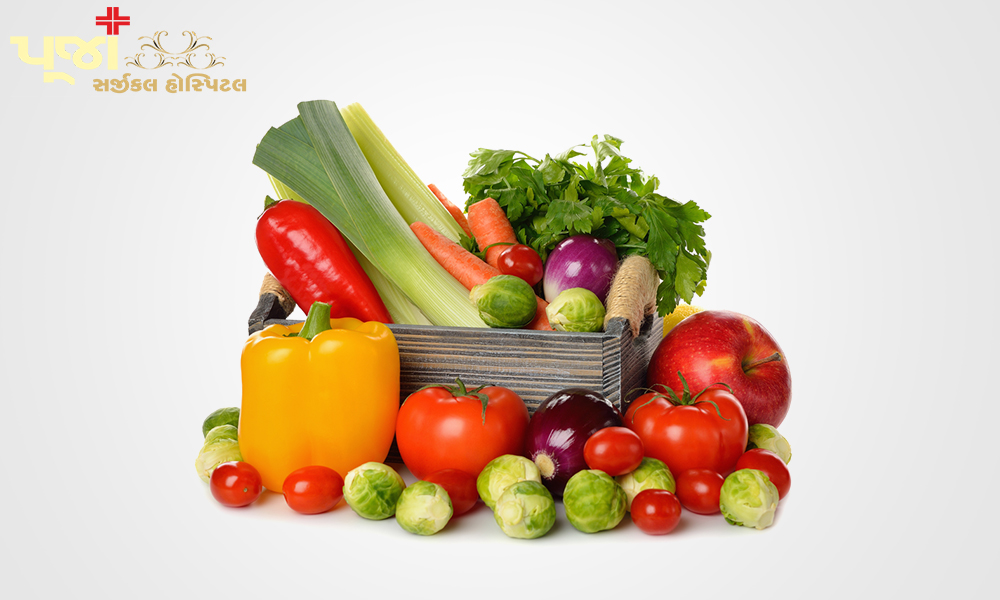
You can’t go wrong with plant foods. Keep the skins on when they’re thin, like on apples, pears, plums, and potatoes. That’s where the insoluble fibre is, as well as compounds called flavonoids that can help control haemorrhoid bleeding.
Brightly coloured produce — berries, grapes, tomatoes, and kale and other dark, leafy greens — are generally rich in flavonoids. And the fresher, the better. Try to keep them whole and not damage the skins or leaves until you’re ready to eat them. Avoid cooking to the point that their colour fades.
A serving of fruit is often good for at least 10% of your daily fibre, usually 3 to 4 grams. A cup of leafy greens, broccoli, Brussels sprouts, winter squash, or green peas will get you 4 to 5 grams of fibre.
Fluids (Show an image of water being poured)
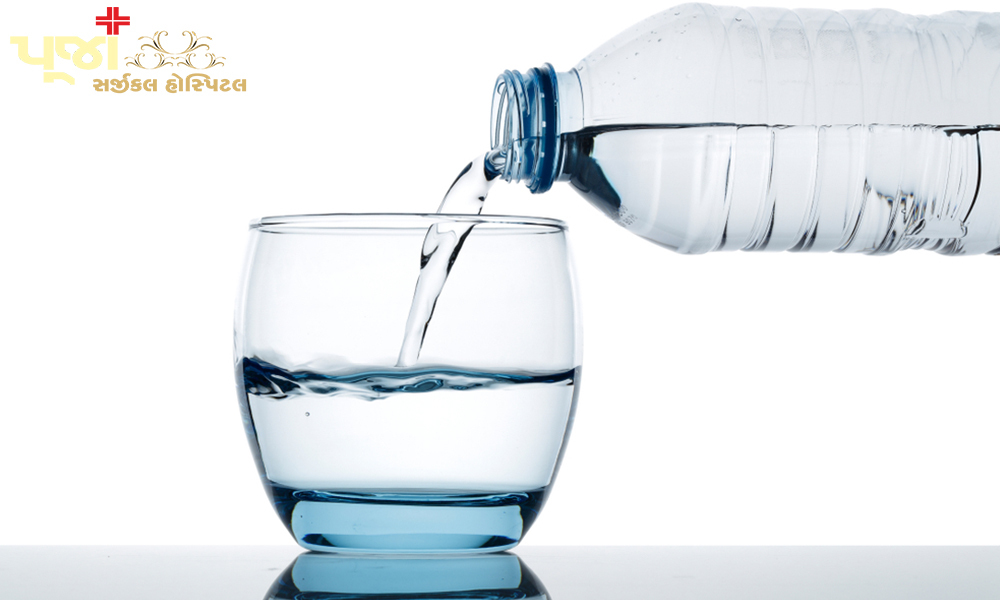
Keeping yourself hydrated will help make stools softer and easier to pass. How much water you should drink depends on your age, sex, and activity level. Be sure to opt for water the majority of the time. If you need a bit more flavour, infuse it with lemon slices or berries.
You may occasionally reach for other fluids that are low in sugar, such as unsweetened or mildly sweetened teas and clear low-sodium broths.
Generally, drinking eight 8-ounce glasses per day is recommended, but this is arbitrary advice that’s not rooted in scientific evidence. It comes down to what works best for you.
Making healthy diet changes is a good starting point when it comes to reducing your risk of developing haemorrhoids again. What’s more, adjusting the way you eat can also contribute to weight loss, which is also a good way to keep haemorrhoids at bay. To learn more about how to reduce piles symptoms & to know more about our services, visit us at https://www.poojasurgicalhospital.com/