Health is one of the most important factors of our life, but suspecting closely to this aspect, due to the current era where advancement and globalization have highly taken over, and this somewhere affects the health factor of the person as they are highly engaged in their get to go schedule and it gets difficult for them to take out a free span for their health. Such a pattern affects the diet cycle of the people and diet is the prime aspect to keep your health-wise and vigorous, a poor diet can bring you multiple complications. Whereas an inappropriate diet can somewhere increase the chances of Haemorrhoids too.
What is Haemorrhoids
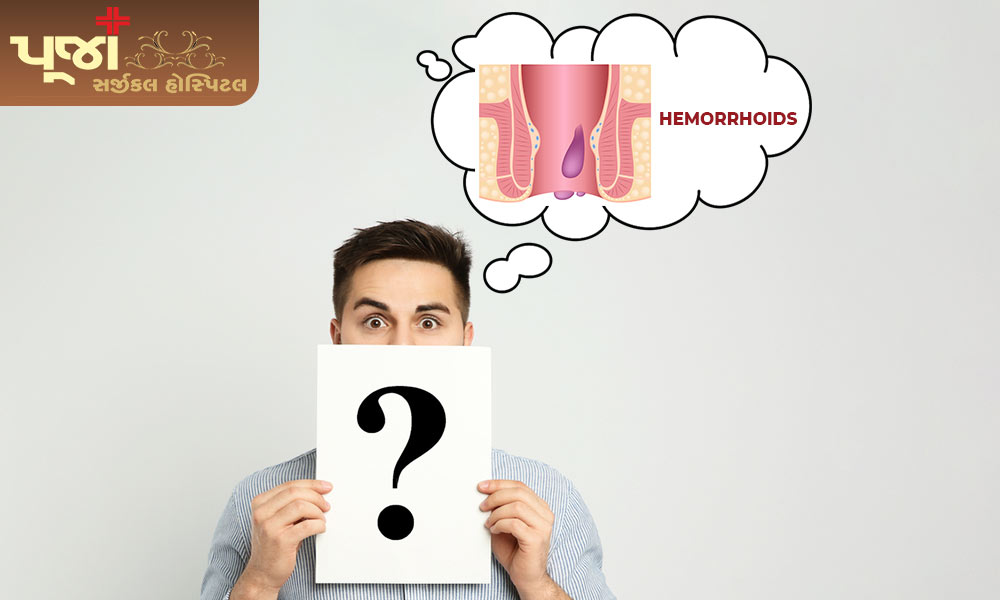
Haemorrhoids are also called Piles which is an infection that occurs near the anus area of people. According to research, every 10 out of 10 people are experiencing piles. The primary symptoms or cause of the piles is swollen veins on the anus site. There are two standard types of piles: Internal and external piles.
- Internal Piles are less painful as they occur inside the rectal area, where there are no pain nerves that cause pain discomfort.
- External piles are the most common piles that people undergo, the external piles are quite painful as they occur near the veins that are outside the anus. Bleeding and irritation are the two primary symptoms of external piles.
Symptoms of piles
Piles are one of the most unpleasant and painful infections, although the infection is curable and can be treated by home remedies.
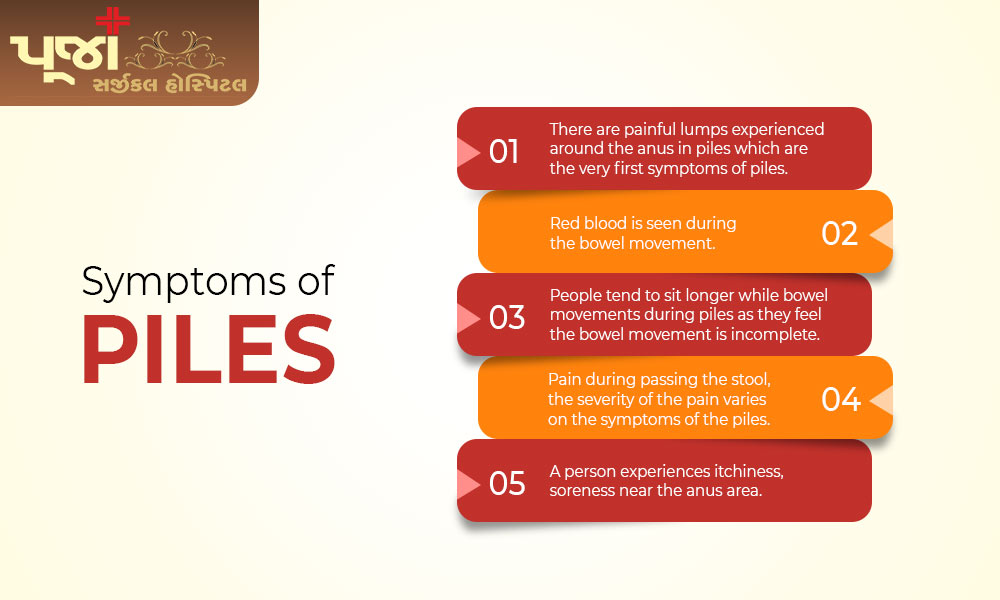
Following are the symptoms of piles.
- There are painful lumps experienced around the anus in piles which are the very first symptoms of piles.
- Red blood is seen during the bowel movement.
- People tend to sit longer while bowel movements during piles as they feel the bowel movement is incomplete.
- Pain during passing the stool, the severity of the pain varies on the symptoms of the piles.
- A person experiences itchiness, soreness near the anus area.
A person should not panic after getting affected by piles is curable and accurate prevention and doctor’s consultation can help in healing faster.
What is Fissures

A Fissure is an infection that also occurs near the anus site. An anal fissure is a tear near the lining of your anus. Fissures are comparatively spotted less than the piles. Fissures are usually called Anal Fissure by doctors.
- Fissure can also occur when a person is undergoing maximum difficulty while passing the hard stool. Fissure can affect people of any different age, especially those who are undergoing the complication of constipation.g 2
- The tear which is an anal fissure is expected to heal on its own within 5 to 6 months. But in some cases where the healing is not seen as expected then a person must make their visit to the doctor.
- If the fissure is lasting for more than 8 weeks then it is considered chronic. A chronic treatment needs surgery in some cases to get completely cured.
Causes of Fissures
Chronic constipation and persistent diarrhoea can also be counted as one the causes of fissures.
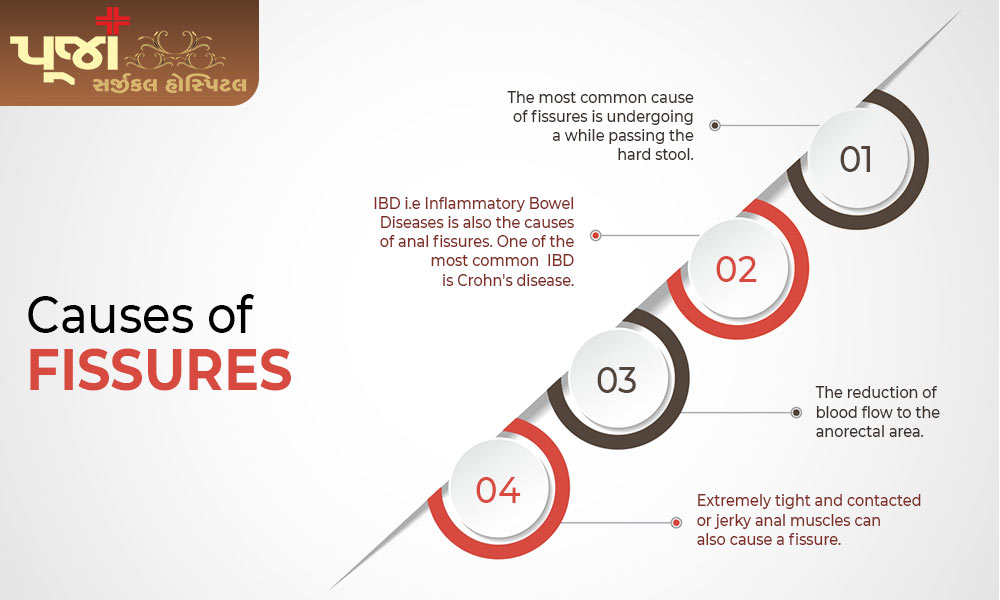
Following are the prime causes of Anal Fissures-
- The most common cause of fissures is undergoing a while passing the hard stool.
- IBD i.e Inflammatory Bowel Diseases is also the causes of anal fissures. One of the most common IBD is Crohn’s disease.
- The reduction of blood flow to the anorectal area.
- Extremely tight and contacted or jerky anal muscles can also cause a fissure.
Symptoms of Anal Fissures
There are a lot of people who are struggling to identify the symptoms of the fissure.
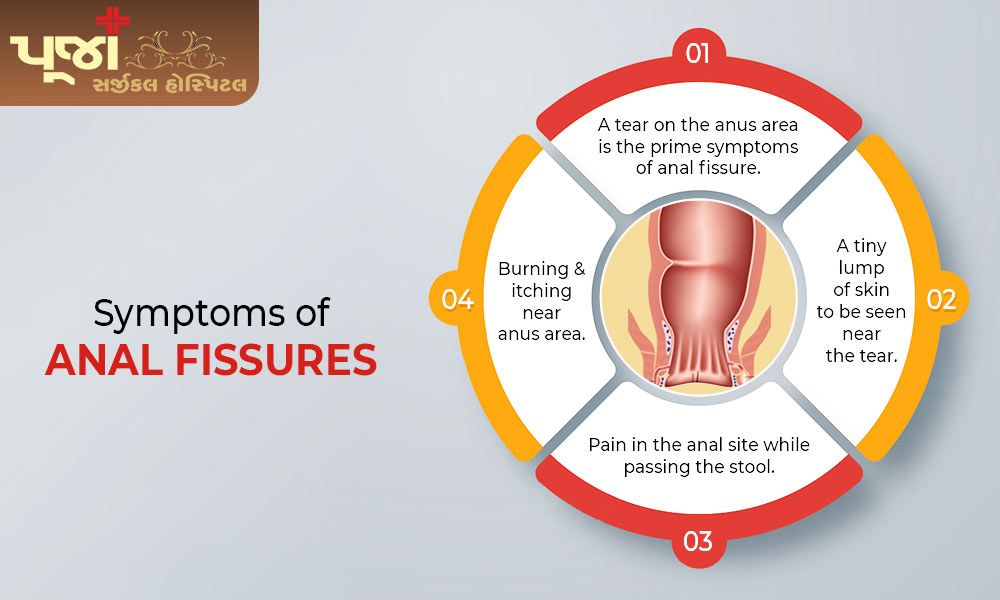
Following are the prime symptoms of fissure-
- A tear on the anus area is the prime symptoms of anal fissure.
- A tiny lump of skin to be seen near the tear.
- Pain in the anal site while passing the stool
- Burning and itching near anus area.
Piles and Fissures both are curable. It is advised to visit a doctor if the symptoms are flaring and unstable.